
Diagnostic Guide
Why are my plants wilting?
Start by checking the root zone before assuming your plant needs more water.
Last reviewed: August 6, 2026 · Sources: Penn State Extension
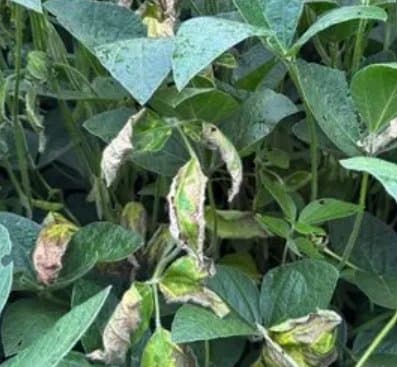
Start with the visible pattern
| What you see | Most likely cause | Check first |
|---|---|---|
| Wilt with dry soil | Underwatering or heat stress | Check root-zone moisture depth |
| Wilt with wet soil | Overwatering or drainage trouble | Confirm how long the soil stays wet |
Check the soil in the morning and again late in the day. Temporary afternoon wilt behaves differently from ongoing root-zone stress.
Simple checks before you buy anything
Most garden problems have more than one possible cause. Start with the simplest explanation.
- Check the soil before watering again.
- Watch whether the plant rebounds overnight.
- Inspect roots or drainage if wilting happens in wet soil.
Most likely causes to check first
Underwatering
Confidence: 85%Underwatering leaves roots without enough moisture to keep foliage turgid, and it is often worse in containers, sandy soil, or hot, windy weather.
- Check soil moisture several inches down, not just at the surface.
- Note whether the plant recovers within a few hours of a deep watering.
- Look for wilting that is worse in containers, sandy soil, or exposed, windy spots.
Overwatering
Confidence: 70%Overwatering keeps roots deprived of oxygen and often shows up as yellow leaves, drooping, and soil that stays wet too long.
- Check whether the top two inches of soil are still damp several days after watering.
- Look for drooping paired with wet soil rather than dry soil.
- Inspect drainage holes or bed drainage before adding fertilizer.
Poor drainage
Confidence: 64%Poor drainage traps water around roots and can mimic disease, nutrient issues, or general decline.
- Watch how long the bed or container stays wet after irrigation or rain.
- Dig a small test hole to see whether water pools below the surface.
- Check for compacted soil or blocked drainage holes.
Reference material used on this page
Penn State Extension
Watering, drainage, and root stress
Publication date: 2025
Visit sourceGet the free GardenMD Quick Reference Guide
A printable symptom cheat sheet and seed starting calendar, sent straight to your inbox.
No spam. Unsubscribe anytime.